Table of Contents
Loading image...
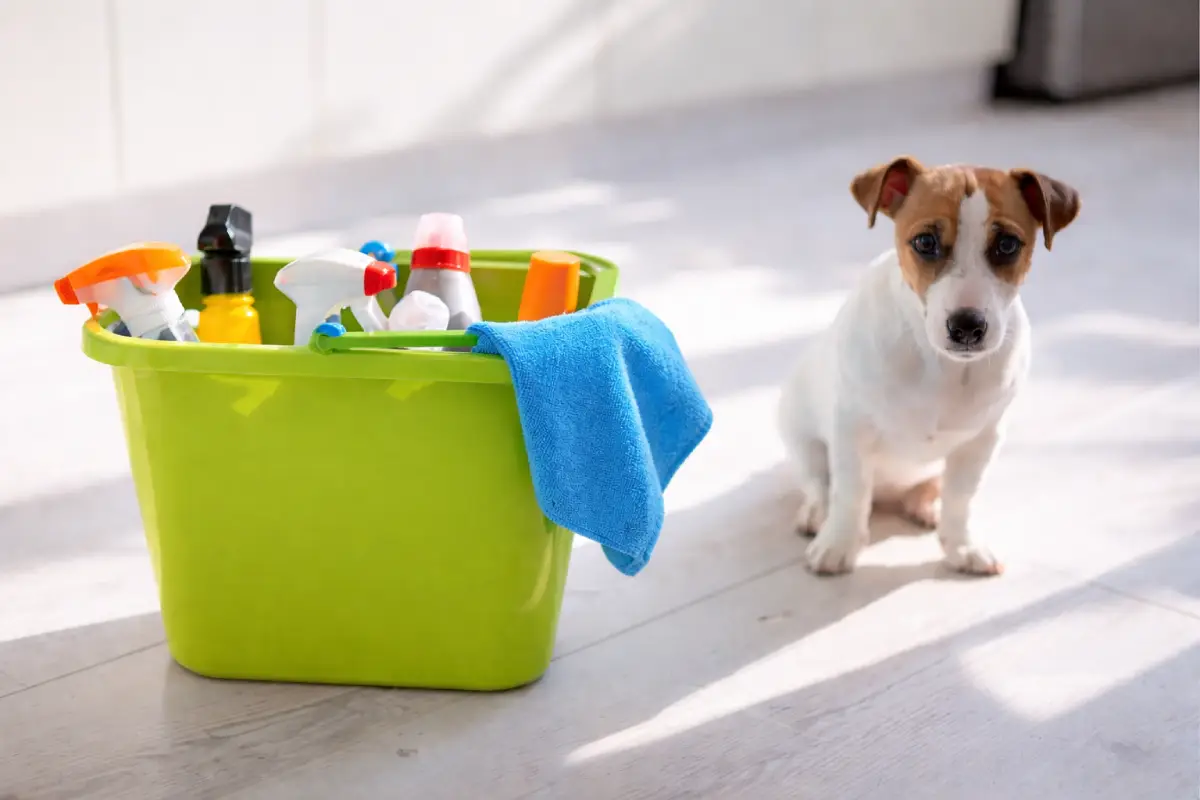
Safe cleaning products for pet households
When I started researching pet-safe cleaning, I expected clear answers. Instead, I found one brand claiming "vet approved" while another warned to keep pets off treated floors until completely dry. Then there's the whole eucalyptus and tea tree debate—some holistic practitioners say they're fine in cleaning products, while vets flag them as toxic. No wonder everyone's confused.
The challenge is that our pets interact with cleaning products completely differently than we do. They walk barefoot over freshly mopped floors, lick their paws constantly, and spend their days at ground level where residue settles and chemicals accumulate. What's "safer" depends on concentration, how it's used, and whether surfaces have dried completely.
Quick note: if you have birds, they're extremely sensitive to airborne chemicals—far more so than dogs or cats. Keep that in mind as you read through this guide.
This guide covers what Australian vets are seeing in clinics, where the confusion comes from, and the practical alternatives that actually work—including what I use in my own home.
Why This Matters More Than You Might Think
The challenge isn't just about avoiding acute poisoning—it's about understanding cumulative toxic load. Your dog or cat isn't just exposed to one product once. They're walking through cleaned floors, sleeping on freshly washed bedding, breathing in whatever's in the air, licking their paws multiple times a day, and absorbing residue through their paw pads.
According to holistic veterinarians like Dr. Karen Becker in the US, when you layer multiple chemical exposures—cleaning products, plus air fresheners, plus flea treatments, plus lawn chemicals—it can lead to congested detox pathways, resulting in increased liver values, lethargy, skin problems, chronic health issues, and even cancer.
There's a growing community of holistic and integrative veterinarians in Australia—including members of Australian Holistic Veterinarians and practices like The Natural Vets on the Sunshine Coast—who emphasize environmental factors in pet health. They're observing connections between household chemical exposure and chronic conditions that go well beyond immediate reactions like vomiting or drooling. While not all vets interpret these mechanisms the same way, there's emerging evidence that cumulative environmental exposure matters for long-term health.
Think about where your pet actually spends their time: their bodies are closer to the ground, breathing in more floor cleaner residue. They sleep on floors, lick floors, and their bare paw pads absorb whatever's on those surfaces. This environmental reality is exactly why cleaning products matter so much for long-term pet health, not just immediate reactions.
The Eucalyptus and Tea Tree Confusion Explained
Here's where the mixed messages come from: concentration, application method, and contact time all matter. Traditional vets worry about concentrated oils applied directly to pets or used on surfaces while wet, plus constant diffusing in enclosed spaces. Some holistic practitioners consider trace amounts in well-ventilated, dried surfaces lower risk.
The reality: Cats in particular lack certain liver enzymes needed to break down plant compounds, especially phenols found in essential oils. Even small exposures can build up over time. The Australian Veterinary Association notes that clinical signs of essential oil toxicosis include lethargy, ataxia (loss of coordination), unresponsiveness, and unconsciousness.
The practical approach:
If a cleaning product contains eucalyptus or tea tree, check the concentration, look at drying time requirements, and consider where you're using it. For high-traffic pet areas, fragrance-free versions remove the guesswork entirely—which is why I personally use fragrance-free Ecostore dishwashing liquid for mopping.
Products to Reconsider in Your Home
1. Daily-Use Disinfectant Floor Cleaners
Those "kills 99.9% of germs" floor cleaners often contain quaternary ammonium compounds (like benzalkonium chloride) or phenolic ingredients. When used daily on large areas, exposure adds up quickly. Pets lick their paws, and these compounds can irritate skin and mouths and cause gastrointestinal upset.
The clue: Labels that advise keeping children and pets away until the floor is completely dry. If the product needs that warning, it's probably more aggressive than you need for everyday cleaning.
2. "Homes With Pets" Products That Still Require Exclusion
More mainstream brands are launching "homes with pets" versions of their cleaners. The problem? Many still rely on disinfectant chemistry, and the fine print still tells you to keep pets away until surfaces dry. That doesn't mean they're terrible, but it does mean they're not genuinely mild.
3. Heavily Scented "Natural" Cleaners on Pet Zones
Natural doesn't automatically mean safer. Products heavily fragranced with essential oils—whether it's eucalyptus, tea tree, citrus, pine, peppermint, cinnamon, clove, oregano, or thyme—can be problematic when used on floors, furniture, or fabrics that pets have constant contact with.
The distinction that matters:
- A trace amount of essential oil in a floor cleaner that dries completely = lower risk
- A strongly scented spray used directly on pet bedding or furniture = higher risk
- Daily use of heavily fragranced products on floors = cumulative exposure concern
Research published in the MSD Veterinary Manual and documented by Australian vets shows cases of essential oil toxicity aren't rare—many involve well-meaning owners using products the way they've seen recommended online.
For pet areas, less scent (or no scent) is usually safer than "natural" scent.
4. Fabric Softener
Liquid fabric softener is common in laundries. Worth knowing: fabric softeners contain chemicals that can be problematic for pets who sleep on bedding or lick their fur after rubbing against freshly washed blankets.
The issue: Fabric softeners leave a coating on fabrics that pets then come into contact with. If you have dogs or cats that sleep on couches, beds, or their own bedding, skipping fabric softener is a simple way to reduce chemical exposure.
5. Toilet Bowl Cleaners
If you leave the toilet lid up, automatic toilet bowl cleaners (clip-on or drop-in types) can be problematic for pets who drink from the toilet. Simple approach: close the toilet lid, or switch to vinegar or bicarb-based cleaning.
6. Essential Oil Diffusers and Burners
Here's a common swap people make: ditching synthetic plug-in air fresheners for essential oil diffusers, thinking they've made a healthier choice for their pets. I get it—it feels more natural, right? But the reality for pet households is more complicated than that.
Essential oil diffusers are releasing concentrated plant compounds into the air that your pets are breathing all day long. And here's the thing—the same oils that are flagged as problematic in cleaning products (eucalyptus, tea tree, peppermint, citrus, pine) are often exactly what people diffuse because they smell "fresh" and "natural."
The issue is especially serious for cats. They lack the liver enzymes needed to process these compounds effectively. In enclosed spaces where your pets can't choose to leave, constant diffusing means ongoing exposure. Natural doesn't automatically mean safer when you're dealing with highly concentrated plant extracts and pets with completely different metabolic pathways than humans.
Worth noting: essential oils, diffusers, and indoor air quality deserve way more attention than I can give them here. I'll be covering this topic in much more detail in an upcoming post about air fresheners and indoor air quality.
7. Air Fresheners and Plug-Ins
Synthetic plug-in air fresheners and room sprays? They're adding to your pet's toxic load, and holistic vets have seen some nasty reactions in cats especially. But here's the thing—switching to essential oil diffusers doesn't actually solve the problem. Both can be problematic in pet households, just in different ways. As mentioned above I'll write a post about this soon.
Safer Options for Cleaning Your Home
For Floors (What I Actually Use)
Ecostore fragrance-free dishwashing liquid - I use this for mopping—just a very small amount (about a teaspoon) in a bucket of warm water. The plant-based, pH-balanced formula is designed for sensitive skin, tough on grease and grime, and biodegradable. When properly diluted, it works well as a gentle floor cleaner without harsh chemistry or added fragrance.
How to use it: Mix 1-2 teaspoons per litre of warm water (adjust based on floor size and how dirty it is). Mop with a damp mop, and if you're concerned about residue, do a quick rinse with clean water afterwards. This prevents any streaks and keeps the floor safer for pets.
Works on: Sealed timber, laminate, vinyl, and tiled floors.
Price: Around $5-$7 for a bottle that lasts months when you're using this little per mop.
Why fragrance-free: It removes all the confusion about essential oil concentration, drying time, and cumulative exposure. You're just cleaning with simple plant-based surfactants that are gentle on both pets and the environment.
Worth noting: This isn't a disinfectant—it cleans effectively but doesn't have antibacterial properties. For true "germy" situations (like cleaning up after illness and messes), you'd need something stronger, but for everyday dirt and paw prints, it's ideal.
Tip: Keep pets out of the room while you're mopping and until the floor is dry. Even mild products are better when they've dried completely.
Steam Mop for Sanitizing (Chemical-Free Option)
For situations where you need actual sanitization—puppy accidents, vomit, tracking in mess from outside—a steam mop is brilliant. It uses just distilled water and heat to kill bacteria without any chemicals or essential oils.
Works on: Vinyl, tile, and sealed stone floors. Can be used on sealed hardwood, but limit to once a week or bi-weekly and dry immediately to prevent warping.
Why it's good for pet households:
- No chemicals for pets to walk through or lick off their paws
- Actually sanitizes (unlike regular mopping with dishwashing liquid)
- Great for dealing with the reality of pet mess—urine, feces, vomit
- No residue left behind
Tip: Use distilled water in your steam mop to prevent mineral buildup. Let the floor cool and dry before letting pets back in the room.
For Pet Accidents and Odours
Pet-specific enzyme cleaners are your best option here. These use enzymes and beneficial bacteria to actually break down the organic matter causing odours, rather than just masking them or using harsh disinfectants.
What to look for:
- Fragrance-free formulations - Many enzyme cleaners contain added fragrance. Look specifically for "fragrance-free" or "unscented" versions designed for allergy sufferers
- Products that list their enzyme types (protease, amylase, lipase)
- Bio-enzymatic or bacterial enzyme formulas
Available in Australia:
- urineFREE Fragrance Free (specifically formulated for sensitive households)
- Various pet retailers stock enzyme cleaners—check labels for fragrance content
- Some vet clinics carry their own enzyme-based cleaners
Price range: $15–$35 for a spray bottle or litre.
How to use: Saturate the area, let it sit for the recommended contact time (usually 10-15 minutes), then blot or let dry. Don't rinse it off—the enzymes need time to work.
For Surfaces and General Home Cleaning
Bicarb soda works for scrubbing sinks, tubs, and tiles, or as a dry deodoriser on carpets and pet bedding (leave 15 minutes, vacuum thoroughly). Under $5 at any supermarket.
White vinegar (diluted 1:1 with water) handles soap scum, hard surfaces, and toilet bowls. Use in well-ventilated areas, keep pets out while wet.
Castile soap (fragrance-free) diluted in water makes an all-purpose spray for benches and tables. Rinse food bowls thoroughly after washing.
For Fabric and Upholstery
Between proper cleans:
- Vacuum regularly with HEPA filter
- Shake out and air bedding outside
- Spot-clean with enzyme cleaner when needed
For washing pet bedding:
- Use a small amount of mild, fragrance-free laundry liquid
- Skip fabric softener entirely (the residue can irritate skin and adds unnecessary chemical exposure)
- Extra rinse cycle helps remove any product residue
- Sun-dry when possible—UV is naturally antibacterial
Australian Brands Worth Considering (For Household Cleaning)
If you prefer ready-made products for cleaning your home, these brands offer gentler options, but understanding how to use them safely matters:
Bona Pet Care System - Swedish brand with Australian distribution (Bona Australia). Water-based, pH-neutral cleaner designed specifically for timber and hard surfaces in pet homes. Free from parabens, formaldehyde, ammonia, phosphates, and phthalates. Available through flooring retailers and online in Australia.
Koala Eco - Australian plant-based brand with essential oils (eucalyptus, peppermint, lemon myrtle). If you choose to use them:
- Best for areas where pets don't spend much time (guest bathrooms, occasional-use spaces)
- Not ideal for daily floor mopping in high-traffic pet areas
- Make sure spaces are well-ventilated and completely dry before pets return
- Consider their effect as part of overall household scent load
Bondi Wash - Australian plant-based brand with essential oils. Same considerations as Koala Eco above.
Ecostore fragrance-free range - New Zealand brand widely available in Australia. This is what I use personally. The fragrance-free dishwashing liquid (which I use for mopping) removes the essential oil question entirely while still being plant-based, biodegradable, and low-tox.
Honest to Goodness - Australian brand with some fragrance-free options available, which work well for pet areas.
Safer Options for Washing Your Dog
It's worth noting that what's safer for cleaning your home isn't necessarily suitable for your dog's skin. This section focuses specifically on products used directly on your pet.
DIY Oatmeal Dog Wash
DIY Oatmeal dog wash is gentle, soothing, and you probably have what you need already.
What you need:
- 1 cup quick oats
- 2 tablespoons fragrance-free castile soap
- 2 cups warm water
- Blender or food processor
How to make it:
Grind the oats into a fine powder (it should feel like flour). Mix the ground oats, castile soap, and warm water together until well combined.
How to use:
Wet your dog thoroughly, work the oatmeal mixture through their coat, massage gently (especially on any itchy spots), leave for a few minutes, then rinse thoroughly. The oats are naturally soothing for skin, and the castile soap provides gentle cleaning power without stripping natural oils.
For smaller batches: You can easily scale this down to 1/4 cup oats, 1½ teaspoons castile soap, and ½ cup warm water for one pet.
Storage tip: Keep the ground oatmeal powder in an airtight container. Mix fresh batches with castile soap and water as needed—don't store the wet mixture.
What to Look for in Store-Bought Dog Shampoo
Finding genuinely fragrance-free, low-tox dog shampoo can be challenging, as even "sensitive skin" or "natural" formulas often contain essential oils or synthetic fragrance.
Key criteria to look for:
- Fragrance-free or unscented - Check the ingredient list, not just the marketing claims
- No essential oils - Even "natural" essential oils can be problematic for sensitive dogs
- Soap-free - Look for gentle surfactants rather than traditional soaps
- pH-balanced for dogs - Dog skin pH differs from human skin
- Vet-formulated or recommended - Especially for sensitive, allergic, or atopic skin
Where to look:
Many Australian vet clinics now stock ultra-gentle, unscented shampoos designed specifically for dogs with allergies or sensitive skin. These are often fragrance-free and formulated without essential oils. Natural pet stores and online retailers are also increasingly carrying unscented options—always scan the full ingredient list for both synthetic fragrance and essential oils before purchasing.
Professional grooming alternative:
If you prefer professional grooming, look for groomers who use fragrance-free products or are willing to use products you provide. Many groomers are happy to accommodate requests for gentler, unscented options for sensitive dogs.
What to Look for on Labels
When you're shopping for home cleaning products or dog shampoos, these quick checks help.
Marketing Terms to Treat Cautiously
- "Pet safe" without any explanation of why or how
- "Natural," "plant based," or "eco" when the formula is still heavily fragranced
- "Kills 99.9% of germs" on everyday products for floors and benches that pets walk and eat on—this usually signals more aggressive chemistry than you need for routine cleaning
- "Sensitive" or "hypoallergenic" dog shampoos that still contain essential oils or fragrance
Useful Clues
- Clear instructions about dilution, rinsing, and keeping pets away until surfaces dry (if the label says to exclude pets, take that seriously)
- Ingredient lists that avoid chlorine bleach, phenols, and quaternary ammonium disinfectants for routine home cleaning
- Fragrance-free or unscented options for surfaces your pets have constant contact with
- For dog shampoos: Complete ingredient transparency, with no "fragrance" or essential oils listed
Worth knowing: you can reserve stronger or more heavily scented products for occasional use in areas where pets don't spend time, and use simpler, fragrance-free options for everyday cleaning in pet zones.
Preventative Steps That Reduce Toxic Load
Beyond choosing gentler products, there are simple habits that help reduce your pet's overall chemical exposure:
Filtered Water
If you're on treated tap water, consider filtering your pet's drinking water. Tap water in many Australian areas contains chlorine and fluoride that contribute to overall toxic burden. A simple water filter—whether it's a bench-top system or jug filter—means your pets can share the same filtered water you drink.
Better Ventilation
Open windows regularly. Fresh air circulation helps dilute and remove airborne chemicals from cleaning products, cooking, and other household activities. This is one of the simplest and most effective ways to improve indoor air quality for both you and your pets.
Putting It Together: A Realistic Routine
Small, consistent changes make a real difference to what your dog or cat is walking through, breathing, and licking every day.
Daily/weekly:
- Vacuum regularly with HEPA filter
- Mop floors with very dilute fragrance-free Ecostore dishwashing liquid (1-2 teaspoons per litre of warm water)
- Keep pets out until floors are dry and aired
- Wipe benches and tables with dilute fragrance-free castile soap spray
- Rinse food bowls and pet dishes thoroughly
- Open windows for fresh air circulation
When accidents happen:
- Use fragrance-free enzyme cleaner
- For tougher messes, use steam mop with distilled water to sanitize
- Follow contact-time instructions for enzyme cleaners
- Don't rinse enzyme cleaners—let them do their work
Bath time:
- Oatmeal wash when needed (gentle and soothing)
- If using store-bought shampoo, choose fragrance-free, no essential oils, soap-free, vet-formulated options
- Full baths only when actually necessary
Laundry:
- Skip fabric softener on pet bedding and any fabrics pets contact regularly
- Extra rinse cycle to remove product residue
- Fragrance-free detergent where possible
Overall approach:
- Fragrance-free for pet zones removes the guesswork
- Simple often works better than complex
- When surfaces are dry and aired out, risk drops significantly
- Think about cumulative exposure, not just individual products
The Bigger Picture
Creating a healthier space for your pets is about understanding that wellness comes from reducing overall toxic burden—the accumulated effect of everything your pet is exposed to day after day.
There's a reason holistic and integrative veterinarians in Australia and internationally are paying more attention to environmental factors in pet health. They're observing connections between household chemical exposure and chronic conditions—skin issues, respiratory problems, organ stress, and even cancer.
The holistic approach is often the simplest: fewer ingredients, no added fragrance, better ventilation, and products that respect the fact that your pets are walking, sleeping, breathing, and living in whatever environment you create. It's about using less, using simpler, and being intentional—not about adding more plant concentrates or switching every synthetic product for a heavily-scented "natural" alternative.
References
- Vets on Parker (Australia). Why Essential Oils and Pets Do Not Mix. 2018.
- Animal Emergency Service (Australia). Common Household Poisons: What Pet Owners Need to Know. 2025.
- MSD Veterinary Manual. Toxicoses From Essential Oils in Animals. 2025.
- PetLab (Australia). The Most Common Household Toxins for Pets / Pet Safe Cleaning Tips. 2022.
- North Road Veterinary Centre (Australia). Essential Oils and Pet Safety: What Every Owner Should Know. 2025.
- Australian pet retailers (The Vet Shed, Budget Pet Products). Pet Odour and Cleaning Product Ranges. 2023–2024.
- Ecostore Australia. Product Information - Ultra Sensitive Dishwashing Liquid. 2024.
- Australian Holistic Veterinarians. Member Directory and Resources. 2024.
- Dr. Karen Becker. Household Toxins and Pet Health. Mercola Healthy Pets. 2024.
- The Natural Vets (Australia). Holistic Veterinary Care and Environmental Health. 2024.
- urineFREE Australia. Fragrance Free Product Information. 2024.
- Bona Australia. Pet Care System Product Information. 2024.
- Bond Cleaning Darwin. Safe Non-Toxic Floor Cleaners for Pet-Friendly Homes in Australia. 2024.